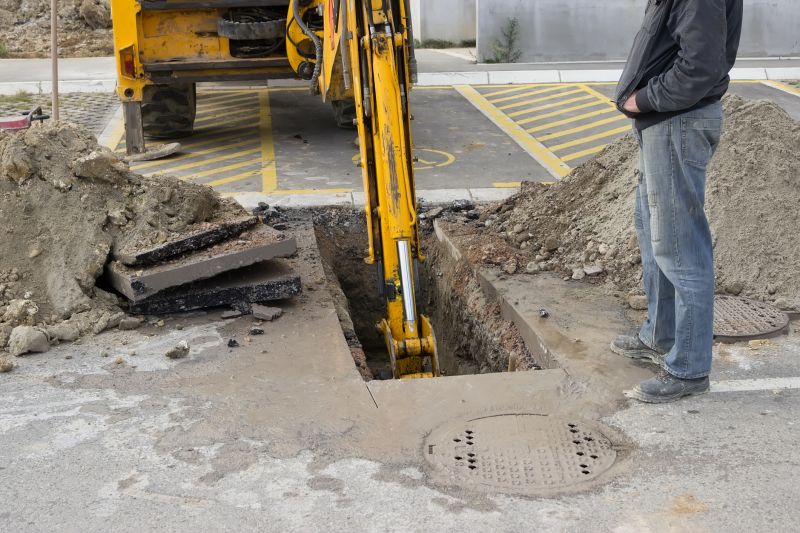
Backhoe Trenching in Houston, TX
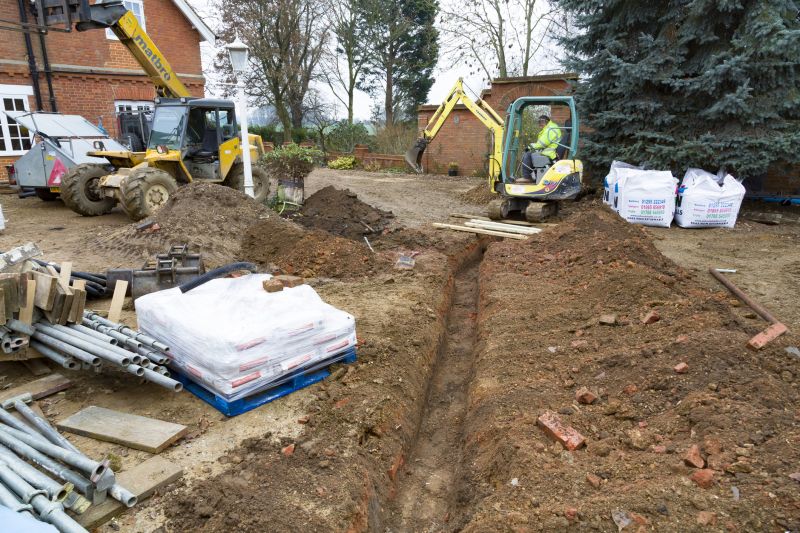
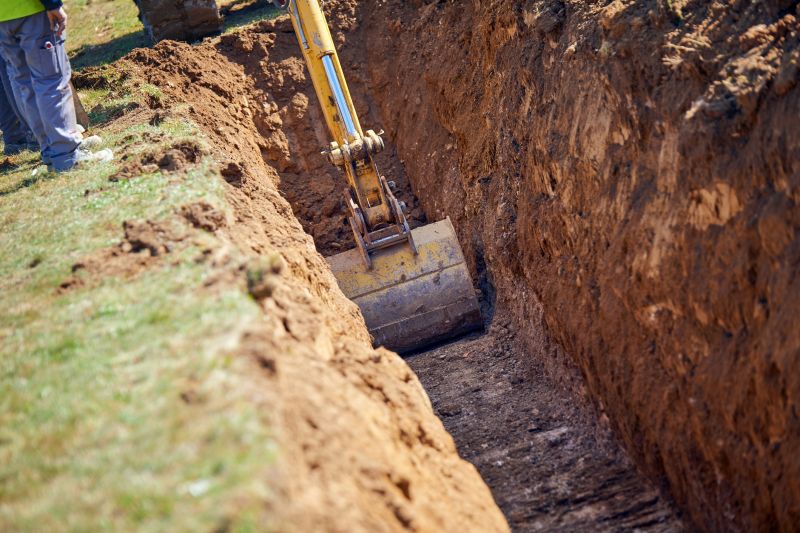
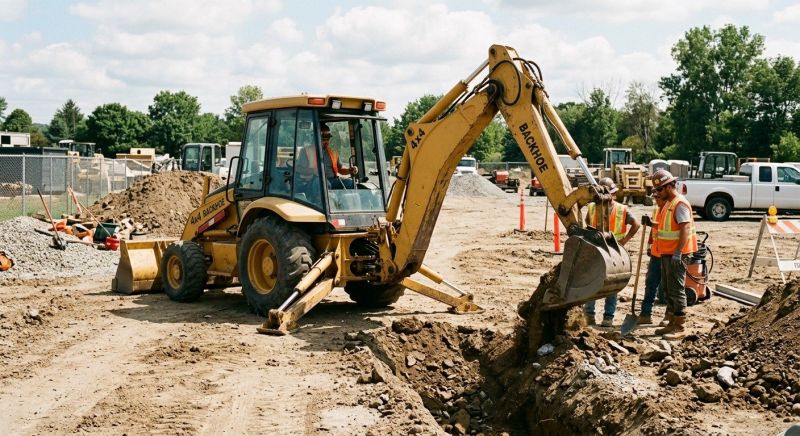
Backhoe trenching services involve the use of a powerful backhoe machine to dig narrow, precise trenches in residential properties. These trenches are often needed for installing underground utilities such as water lines, electrical cables, drainage systems, or sprinkler systems. Property owners typically request this service when planning to lay new pipes, cables, or other underground infrastructure, or when repairing existing lines that require access beneath the surface.
Before requesting backhoe trenching, homeowners should consider the location and depth of the desired trenches, as well as any underground obstacles like existing pipes or roots. It’s also helpful to understand property boundaries and any local regulations that may impact excavation work. Clear communication about the project scope and the intended purpose of the trenches can ensure the work is completed efficiently and safely.
Many property owners in Houston, TX look into Backhoe Trenching for repairs, replacements, upgrades, and appearance-related improvements.
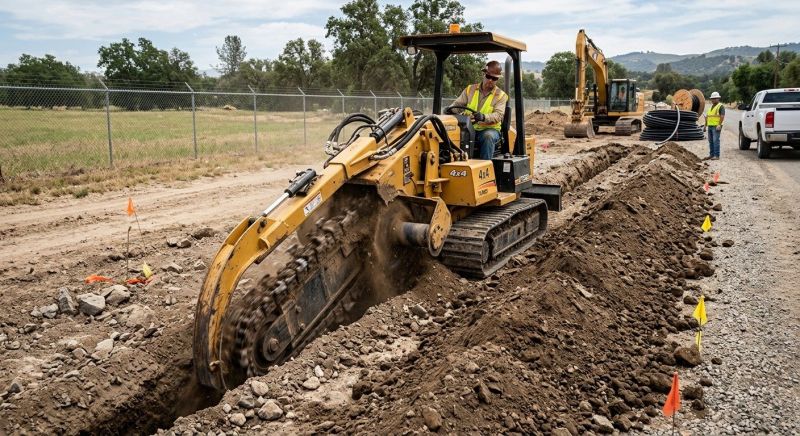
Residential Trenching Solutions
Backhoe trenching is often used for installing utility lines, drainage systems, and sprinkler lines on houston properties.
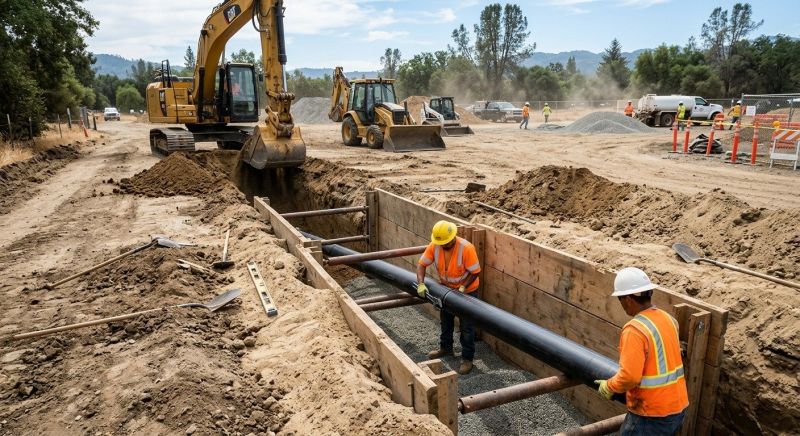
Site Preparation And Landscaping
Backhoe trenching helps prepare land for new construction, landscaping, or fencing projects by creating precise trenches.
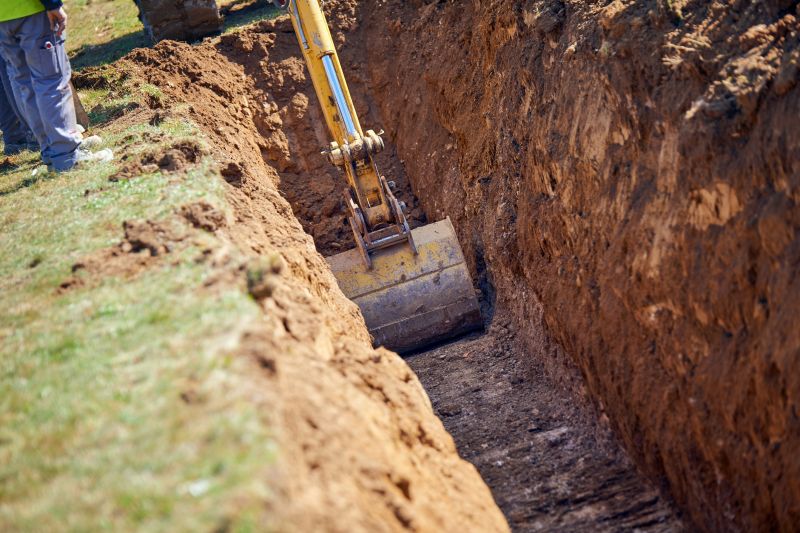
Underground Utility Installation
Trenching with a backhoe allows for safe and efficient placement of electrical, water, or gas lines across houston neighborhoods.
Backhoe Trenching in Houston, TX

Backhoe trenching services involve the use of a powerful backhoe machine to dig narrow, precise trenches in residential properties. These trenches are often needed for installing underground utilities such as water lines, electrical cables, drainage systems, or sprinkler systems. Property owners typically request this service when planning to lay new pipes, cables, or other underground infrastructure, or when repairing existing lines that require access beneath the surface.
Before requesting backhoe trenching, homeowners should consider the location and depth of the desired trenches, as well as any underground obstacles like existing pipes or roots. It’s also helpful to understand property boundaries and any local regulations that may impact excavation work. Clear communication about the project scope and the intended purpose of the trenches can ensure the work is completed efficiently and safely.
Many property owners in Houston, TX look into Backhoe Trenching for repairs, replacements, upgrades, and appearance-related improvements.
Common Backhoe Trenching Jobs
Drainage Installation - trenches are dug to install effective drainage systems around properties.
Utility Line Placement - precise trenching for underground electrical, water, or gas lines.
Foundation Excavation - creating trenches for foundation footings and basement walls.
Landscape Drainage - shaping trenches to redirect water away from lawns and gardens.
Irrigation System Installation - trenching for underground sprinkler and irrigation lines.
Septic System Setup - excavating trenches for septic tanks and drain fields.
Backhoe Trenching Questions
What types of projects require backhoe trenching? Backhoe trenching is commonly used for installing underground utilities, drainage systems, and irrigation lines around residential and commercial properties.
Is backhoe trenching suitable for small or large projects? It is versatile enough for both small-scale tasks like garden drainage and larger projects such as utility line installation or foundation work.
What should property owners consider before trenching? It's important to identify underground utilities, obtain any necessary permits, and plan for minimal disruption to landscaping and existing structures.
How deep can a backhoe trench be dug? Trenching depths typically range from 2 to 8 feet, depending on project requirements and local regulations.
Request Backhoe Trenching in Houston, TX
Use the quote form on this page to share the basics of your project and request more information for the type of work you need.